Pacific Islands Telecommunication Association
Travel eSIM Challenges Highlighted Through Palau Experience
December 5, 2025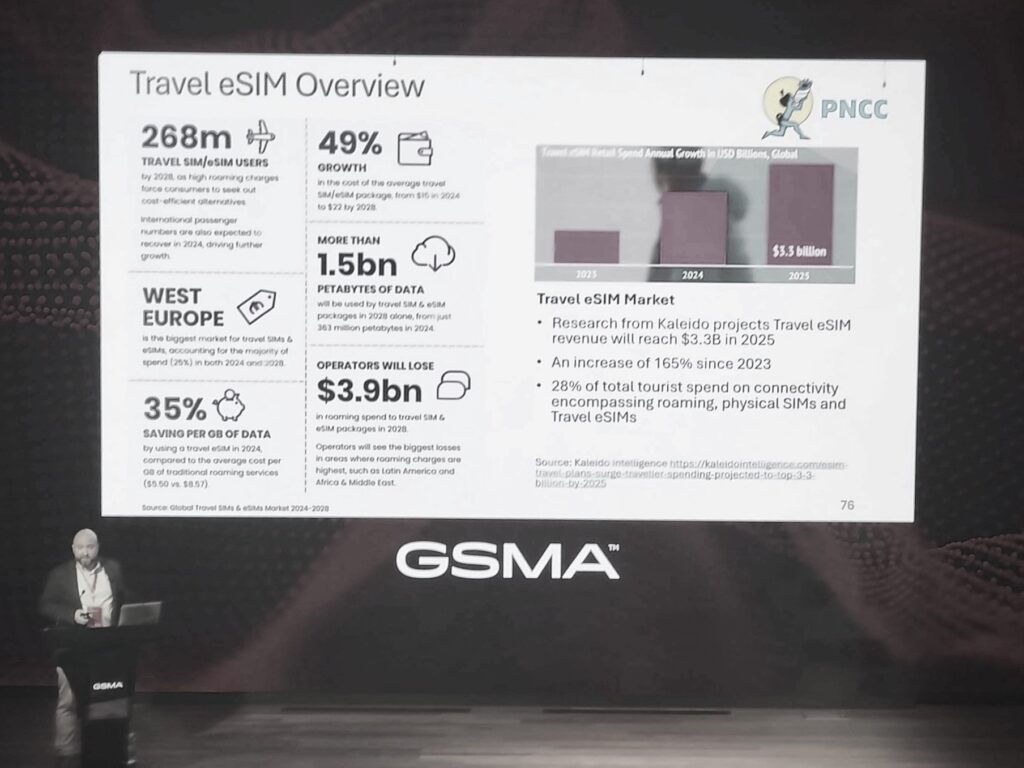
Presented at the GSMA Technology Summit, Sydney.
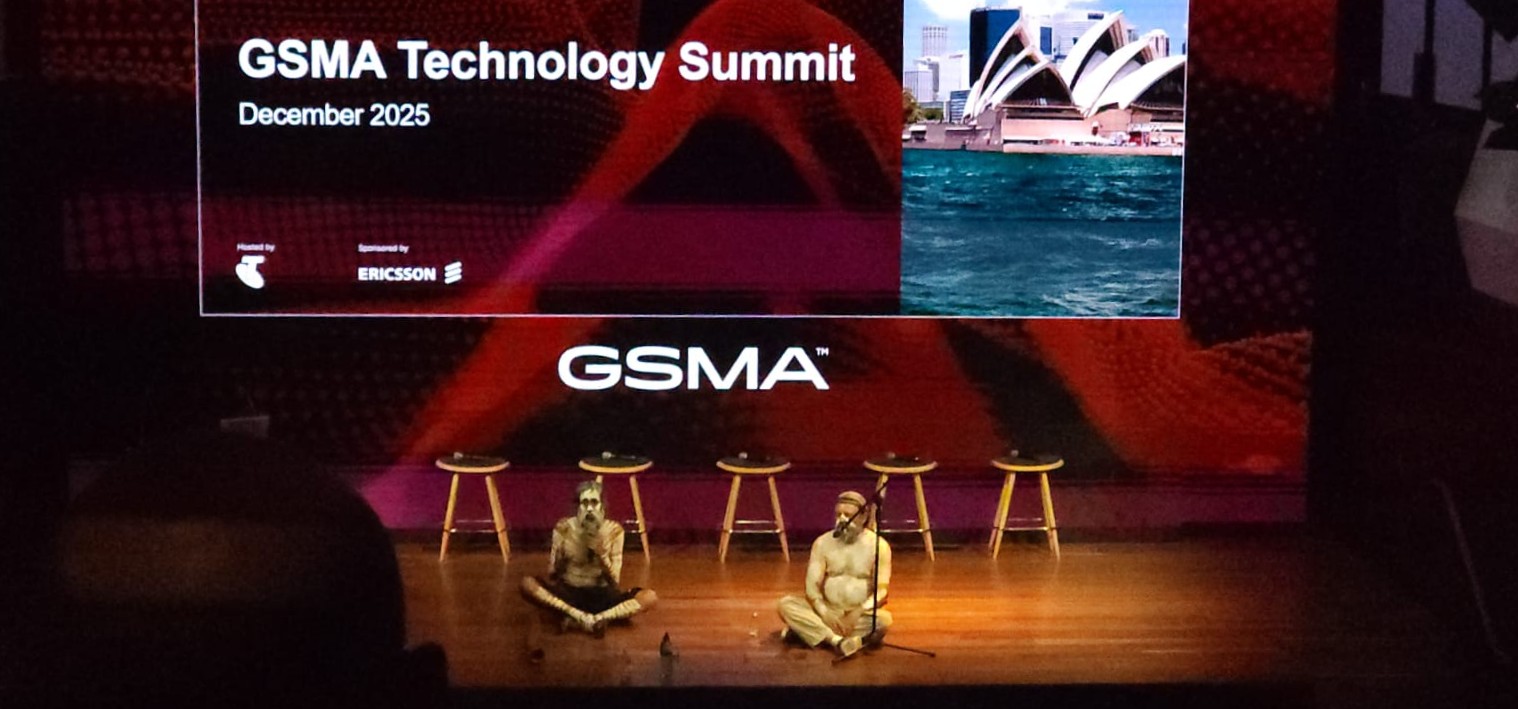
The GSMA Technology Summit, held at the Telstra CIC in Sydney from 02–04 December, brought together industry specialists to explore key developments shaping the mobile ecosystem across Australasia. The three-day program covered a wide spectrum of emerging and critical topics, including 5G networks, private networks, fraud and scams, security for telecoms, post-quantum cryptography, open gateways, eSIM evolution, and forward-looking themes such as quantum technologies, AI for networks/6G, NTN, and spectrum planning for 6G.
Amid these high-level thematic discussions, the Summit also provided space for practical case studies affecting real-world operations—one of which focused on the challenges posed by travel eSIMs.
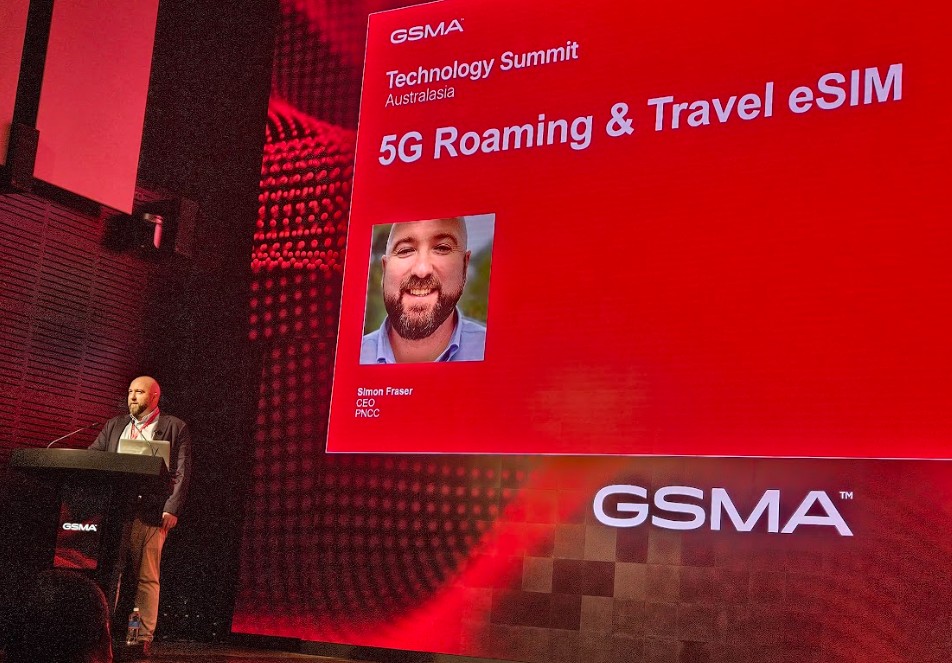
During the eSIM session, Simon Fraser, CEO for Palau National Communications Corporation presented the Palau experience, detailing how certain travel eSIM providers—operating without direct roaming agreements—have been using IMSI leasing and other workaround methods that border on fraudulent practice. His presentation highlighted several risks for small island markets, including revenue leakage, lack of transparency around the actual service provider, and increased exposure to unverified or suspicious traffic entering domestic networks. These technical concerns carry wider implications for network integrity, customer protection, and national regulatory oversight across the Pacific.
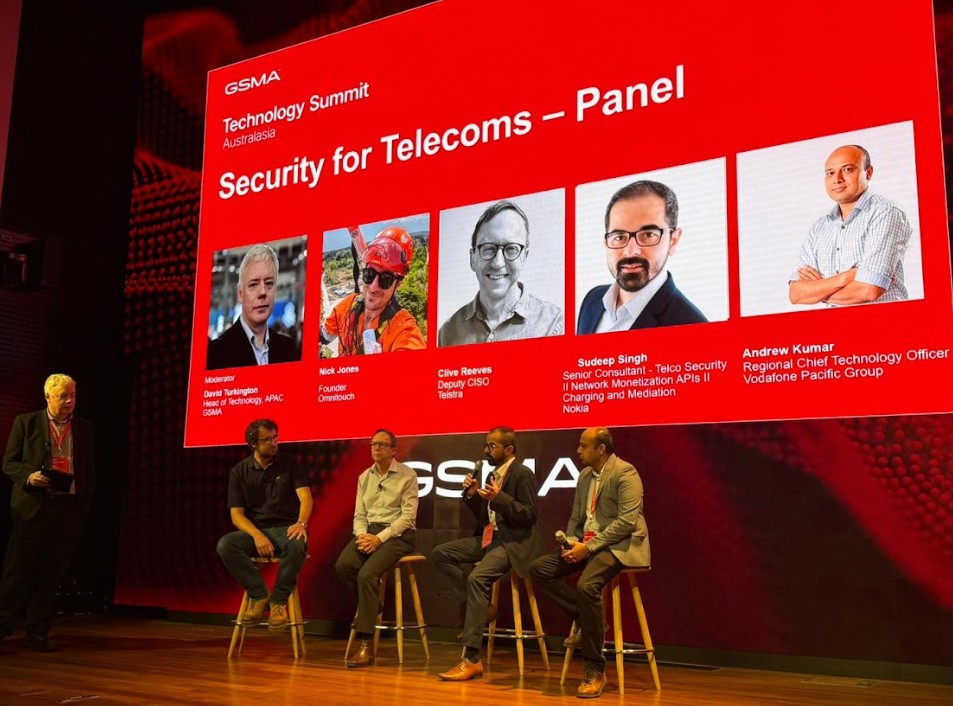
In a different session, the Security for Telecoms panel brought together industry leaders to tackle evolving threats, AI-driven detection, incident response, and the need for stronger cross-industry collaboration. Andrew Kumar, Regional CTO for the Vodafone Pacific Group, contributed a Pacific-focused update, outlining current threat patterns, regional experiences, and the work of the new collaborative group established to help Pacific operators collectively address risks and strengthen their security posture.
PITA acknowledges both efforts in raising of these issues at a global forum, bringing wider industry attention to a challenge increasingly encountered in the Pacific. Their contribution reinforces PITA’s ongoing work in areas of cybersecurity, building trust in telecommunications, and addressing the erosion of revenue caused by unfair practices. It also highlights the broader need for a practical and coordinated approach to tackle these concerns, which will ultimately impact future investments and development.
Pacific Island members attending this summit included Digicel Fiji/Digicel Pacific, Teletok Tokelau, Telecommunications Commission of the Solomon Islands, Vodafone Cook Islands, Vodafone Fiji, Vodafone Pacific, and PITA.